The Quiet Diplomat Who Reshaped the United Nations
People searching “what did Dag Hammarskjöld do” are often looking for more than a basic biography.
They want to understand why this quiet Swedish diplomat still matters decades after his death.
Why do historians, diplomats, writers, and world leaders continue to speak about him with admiration? Why does his legacy still feel surprisingly modern?
The answer is simple:
Dag Hammarskjöld did far more than hold a title at the United Nations. He transformed what global leadership could look like.
Who Was Dag Hammarskjöld?
Dag Hammarskjöld was a Swedish economist, diplomat, author, and civil servant who served as Secretary-General of the United Nations from 1953 until his death in 1961.
When he was appointed, many political leaders assumed he would be a cautious administrator working quietly behind the scenes.
Instead, Hammarskjöld became one of the most influential international diplomats of the twentieth century.
What Did Dag Hammarskjöld Actually Do?
He Redefined the Role of Secretary-General
Before Hammarskjöld, the UN Secretary-General was often viewed as a mostly administrative position.
Dag believed the office should be independent and morally grounded—not controlled by powerful governments or Cold War politics.
He argued that the United Nations should serve the principles of the UN Charter itself, even when doing so upset major world powers.
That idea permanently changed the role.
He Helped Prevent International Crises from Escalating
Hammarskjöld worked behind the scenes during some of the most dangerous geopolitical conflicts of the Cold War era, including:
- the Suez Crisis
- the Congo Crisis
- tensions involving China and imprisoned American airmen
- conflicts involving newly independent nations.
Rather than relying on public grandstanding, he favored patient negotiation, diplomacy, and quiet persistence.
His leadership style emphasized calm under pressure.
He Helped Create Modern UN Peacekeeping
One of Hammarskjöld’s most important achievements was helping establish modern United Nations peacekeeping operations.
During the 1956 Suez Crisis, he worked alongside renowned diplomat Ralph Bunche to create the United Nations Emergency Force (UNEF).
This model became the foundation for future UN peacekeeping missions around the world.
Today, UN peacekeeping seems inseparable from the organization itself, but it was still a developing concept during Hammarskjöld’s time.
He Defended the Rights of Smaller Nations
Dag Hammarskjöld strongly believed that smaller countries deserved sovereignty, dignity, and protection from domination by larger powers.
This became especially important during the era of decolonization across Africa and Asia.
Many newly independent nations viewed Hammarskjöld as someone willing to treat them seriously rather than as pawns in Cold War politics.
He Approached Leadership as an Ethical Responsibility
What made Hammarskjöld unusual was not only his diplomacy, but his philosophy of leadership.
He believed leadership required:
- discipline
- humility
- self-awareness
- service to something greater than ego.
His private journal, later published as Markings, revealed a deeply introspective man shaped by spirituality, literature, philosophy, and solitude.
That inner dimension is part of why so many people continue to feel drawn to him today.
Why Is Dag Hammarskjöld Still Important?
Modern politics often rewards spectacle, aggression, and constant self-promotion.
Dag Hammarskjöld embodied a very different model of leadership:
- thoughtful
- restrained
- intellectually serious
- guided by principle rather than performance.
For many people, especially introverts and reflective leaders, his example feels remarkably relevant today.
One of his most famous statements still resonates around the world:
“The United Nations was not created to take mankind to heaven, but to save humanity from hell.”
How Did Dag Hammarskjöld Die?
In September 1961, Hammarskjöld died in a plane crash near Ndola while traveling to negotiate peace during the Congo Crisis.
The circumstances surrounding the crash remain controversial.
Several investigations have explored whether the crash may have been deliberate rather than accidental.
Questions surrounding his death continue to attract international interest decades later.
Frequently Asked Questions
What did Dag Hammarskjöld do?
Dag Hammarskjöld transformed the role of UN Secretary-General, helped establish modern peacekeeping, and played a major diplomatic role during Cold War crises.
Why is Dag Hammarskjöld famous?
He is known for principled international diplomacy, ethical leadership, and strengthening the independence of the United Nations.
Was Dag Hammarskjöld Swedish?
Yes. He was born in Sweden in 1905 and came from a family deeply involved in public service.
Did Dag Hammarskjöld receive the Nobel Peace Prize?
Yes. He received the Nobel Peace Prize posthumously in 1961.
Final Thoughts
So, what did Dag Hammarskjöld do?
He reshaped international diplomacy during one of the most dangerous periods in modern history.
He helped define modern peacekeeping.
He defended the independence of the United Nations.
And he demonstrated that quiet, thoughtful leadership can still leave a profound mark on the world.

Explore more:
- Why Is Dag Hammarskjöld Important?
- Why Dag Hammarskjöld Redefined the Role of Secretary-General
- The Dag Hammarskjöld Bomb Threat You’ve Never Heard About
- What Was “Hungerskjöld,” and How Did It Affect Dag Hammarskjöld?
New to Dag’s life and legacy? Start here.
You can purchase Sara’s award-winning biography Decoding the Unicorn: A New Look at Dag Hammarskjöld on Amazon by clicking here! Simply Dag: The Private Man in a Public—and Dangerous—Office is now available anywhere Amazon books are sold: https://a.co/d/0f9PAg9g.
Enter the private room for readers who look beyond the surface.  Join the Unicorn Dispatch newsletter here: https://sara-causey.kit.com/2d8b7742dd.
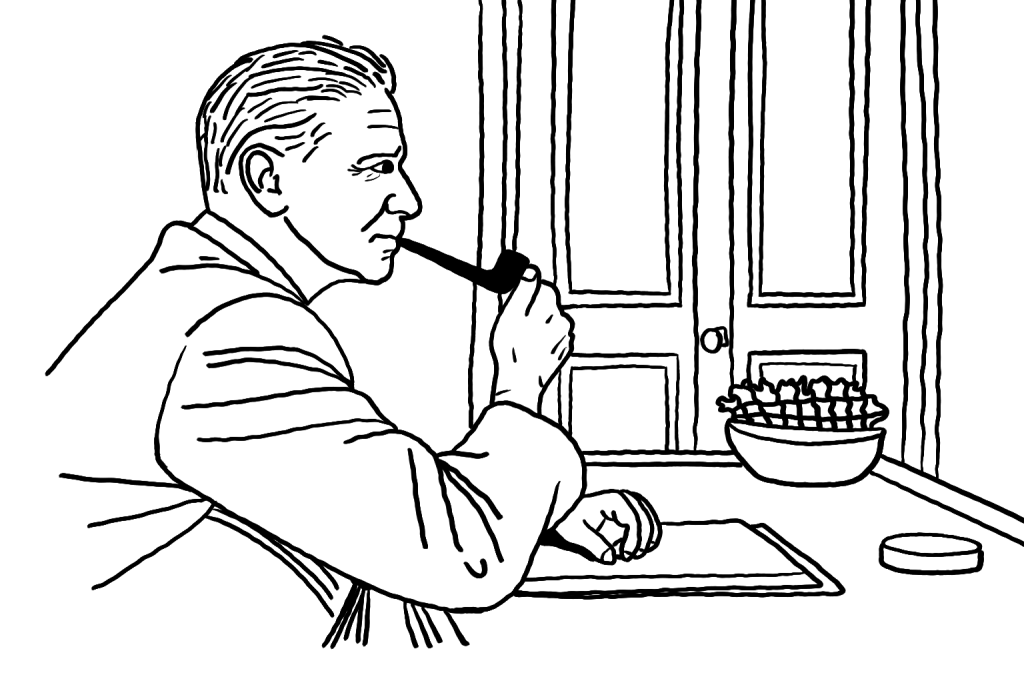
Illustration by Sara Causey, © Sara Causey.