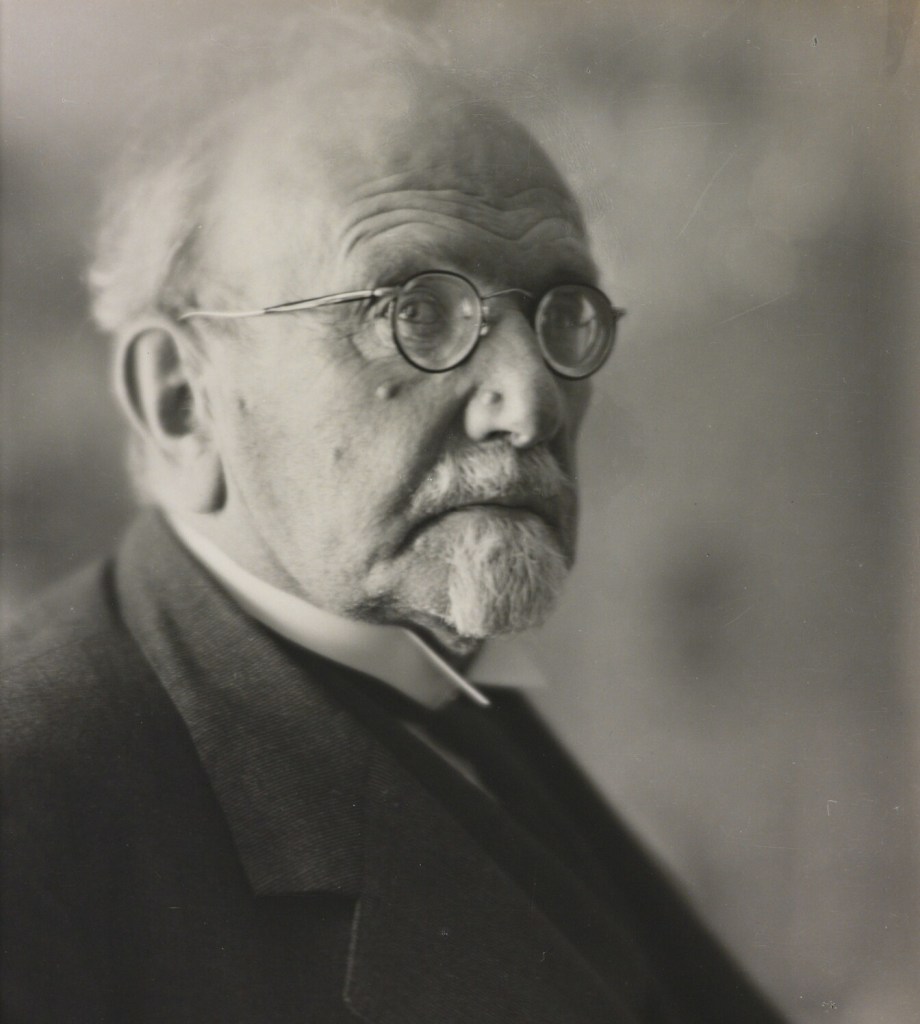
The word “Hungerskjöld” was a political insult—a pejorative aimed at Hjalmar Hammarskjöld, Dag’s father who served as Sweden’s Prime Minister during World War I.
The nickname emerged during a time of economic hardship, food shortages, and public unrest. Critics blamed Hjalmar for policies that were, in truth, shaped by forces far beyond any single politician’s control. But politics is rarely fair, and the label stuck.
For the Hammarskjöld family, and especially for Dag, the consequences were long lasting.
1. Why Hjalmar Was Branded “Hungerskjöld”
During World War I, Sweden remained neutral, but neutrality did not shield the country from severe economic pressure. Naval blockades, shipping disruptions, and scarcity of imported goods led to real hunger for many Swedes.
Hjalmar, as Prime Minister, became the face of the crisis. Opposition newspapers seized on public frustration and coined the mocking nickname “Hungerskjöld” (“Hunger-Shield”)—a play on the family name Hammarskjöld.
It was unfair, but it was politically effective. And it caused real pain.
2. The Impact on the Hammarskjöld Family
The insult wasn’t just about policy; it was personal, sharp, and humiliating.
For Dag, who was a child during this period, the experience left a mark:
-
He saw his father attacked publicly.
-
He witnessed political cruelty up close.
-
He learned how quickly public opinion can turn.
-
He absorbed the emotional cost of leadership, even when decisions are principled.
- Dag himself was bullied and ostracized at school because of it.
Dag grew up with a deep awareness of how integrity can be rewarded with scorn, and how public service often means being misunderstood.
This awareness shaped him.
3. How “Hungerskjöld” Influenced Dag’s Character and Leadership
Dag did not become hardened or cynical because of what he witnessed. Instead, it influenced him in three profound ways:
a. A commitment to moral courage
Dag understood early that doing the right thing may never earn applause—and may even invite hostility. Yet he believed it must be done anyway.
b. A lifelong distaste for political theatrics
He saw the damage caused by propaganda and cheap attacks. As an adult, he avoided political showmanship entirely.
c. A profound empathy for suffering and humiliation
The nickname “Hungerskjöld” taught him how words can wound. His later diplomacy reflected a deep respect for dignity, his own and others’.
4. Public Memory vs. Private Consequences
History often remembers slogans better than complexities. “Hungerskjöld” survived as a historical footnote, but for Dag it represented something larger:
-
the burden of leadership
-
the ease with which truth can be distorted
-
the loneliness of responsibility
-
the grief that a public attack inflicts on a private family
It may even help explain Dag’s later resolve:
to stay quiet rather than defensive
to act with integrity rather than argue
to seek truth rather than popularity
He chose depth over noise, partly because he had seen what noise can do.
Put Simply
“Hungerskjöld” was an insult aimed at Hjalmar Hammarskjöld during World War I, but its legacy shaped Dag far more quietly.
It helped forge the character of a man who understood:
that leadership demands sacrifice,
that service invites criticism,
and that purpose must outweigh public opinion.
And that insight followed him all the way to the United Nations.
Photo credit: Clara E. Sipprell, c. 1938. Public domain according to the Amon Carter Museum of American Art, Clara E. Sipprell Collection.

Explore more:
- Leadership Lessons from Dag Hammarskjöld: Timeless Diplomacy for Modern Leaders
- Quiet Doesn’t Mean Weak: How Dag Hammarskjöld Refused to Be Bullied
- Dag Hammarskjöld During World War II: The Work That Shaped a Future Secretary-General
- The Dag Hammarskjöld Bomb Threat You’ve Never Heard About
New to Dag’s life and legacy? Start here.
You can purchase Sara’s award-winning biography Decoding the Unicorn: A New Look at Dag Hammarskjöld on Amazon by clicking here! Her forthcoming project, Simply Dag, will release globally on July 29th.
Enter the private room for readers who look beyond the surface.  Join the Unicorn Dispatch newsletter here: https://sara-causey.kit.com/2d8b7742dd.