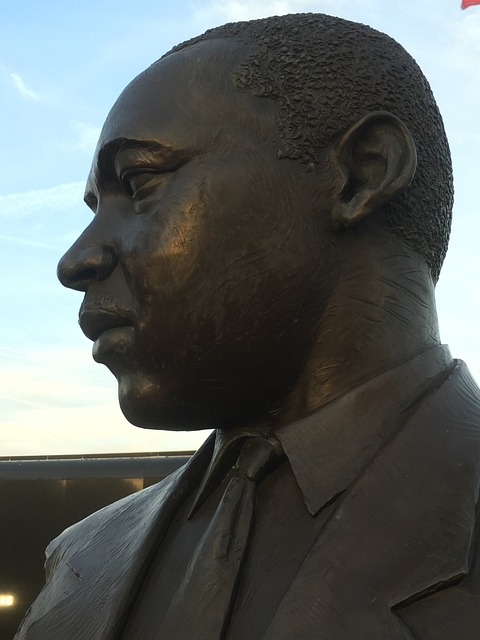
“A genuine leader is not a searcher for consensus but a molder of consensus.” These words from Dr. Martin Luther King Jr. encapsulate the essence of his leadership: transformative, courageous, and deeply rooted in moral conviction. On this MLK Day, we not only honor his legacy but also reflect on the timeless lessons his leadership offers to those striving to make a difference in their communities, workplaces, and the world.
Leadership often conjures images of extroverted charisma and commanding voices. However, MLK’s approach reminds us that leadership can also be thoughtful, empathetic, and purpose-driven. These qualities resonate with the quiet, brave leaders of today who understand that meaningful change requires more than just visibility—it demands vision, resilience, and service.
Five Leadership Lessons from MLK
1. Lead with Vision and Purpose
At the heart of Dr. King’s leadership was a clear and unwavering vision: equality, justice, and a world free of discrimination. His famous I Have a Dream speech painted a picture of the future so compelling that it galvanized millions into action. Great leaders, like MLK, operate from a place of clarity and purpose. They articulate their dreams in ways that inspire others to join them.
For today’s leaders, this means identifying your core values and communicating them effectively. A strong vision not only guides your decisions but also serves as a beacon for those around you, fostering collective momentum toward a shared goal.
2. Courage in the Face of Opposition
Dr. King’s path was not an easy one. He faced constant threats, imprisonment, and violence, yet he persevered with remarkable courage and dignity. His ability to stand firm in the face of immense challenges demonstrates the importance of resilience in leadership.
Courage doesn’t mean the absence of fear; it means acting despite it. Whether you’re leading a movement or navigating workplace dynamics, bravery is about showing up, standing firm in your convictions, and continuing to move forward, even when the road feels impossible.
3. Empathy and Nonviolence as Strengths
One of MLK’s greatest contributions to leadership philosophy was his unwavering commitment to nonviolence and empathy. He understood that change could not be achieved through hatred or violence but through understanding and love. These values made his leadership transformative and enduring.
In today’s world, where divisiveness often prevails, leaders can draw from MLK’s example by fostering environments of compassion and respect. Empathy is not a weakness; it’s a strength that builds trust, resolves conflicts, and drives lasting change.
4. Collaboration Over Domination
Dr. King’s ability to unite diverse voices and movements was a testament to his collaborative spirit. From church leaders to student activists, he brought together individuals and groups who shared a common purpose. This inclusivity and willingness to work with others, even amidst differing opinions, amplified his impact.
Effective leaders today recognize that collaboration, not domination, creates sustainable success. By empowering others and valuing diverse perspectives, leaders can build stronger teams and achieve greater results.
5. Service as the Heart of Leadership
“Life’s most persistent and urgent question is, ‘What are you doing for others?’” MLK’s belief in service as the core of leadership echoes across generations. He saw leadership not as a position of power but as an opportunity to serve.
This philosophy aligns with Dag Hammarskjöld’s view of service as love in action. Both leaders understood that true greatness comes from considering the needs of others and not only the needs of the self. Leaders today can honor this legacy by prioritizing service over self-interest, creating positive ripples that extend far beyond their immediate sphere.
Dr. Martin Luther King Jr.’s leadership offers a timeless blueprint for those who aspire to lead with purpose and integrity. His vision, courage, empathy, collaboration, and commitment to service continue to inspire leaders around the world. As we reflect on his legacy, we’re reminded that leadership isn’t about being the loudest voice in the room—it’s about being the most steadfast, compassionate, and purposeful.
This MLK Day, let us honor his memory by striving to embody these qualities in our own lives. Whether we lead in boardrooms, classrooms, or our own communities, we can all carry forward his dream by leading with quiet bravery and unwavering conviction.
This content was published originally at https://causeyconsultingllc.com/2025/01/20/what-mlk-taught-us-about-leadership-timeless-lessons-for-brave-quiet-leaders/.
I am the author of Decoding the Unicorn: A New Look at Dag Hammarskjöld. It’s available for purchase on Amazon by clicking here.
For more on my leadership & development program for introverts, HSPs, and creatives, please visit QuietBraveBold.com.
Follow my author journey on Facebook here.
For additional updates or to subscribe to my email newsletter, click here.