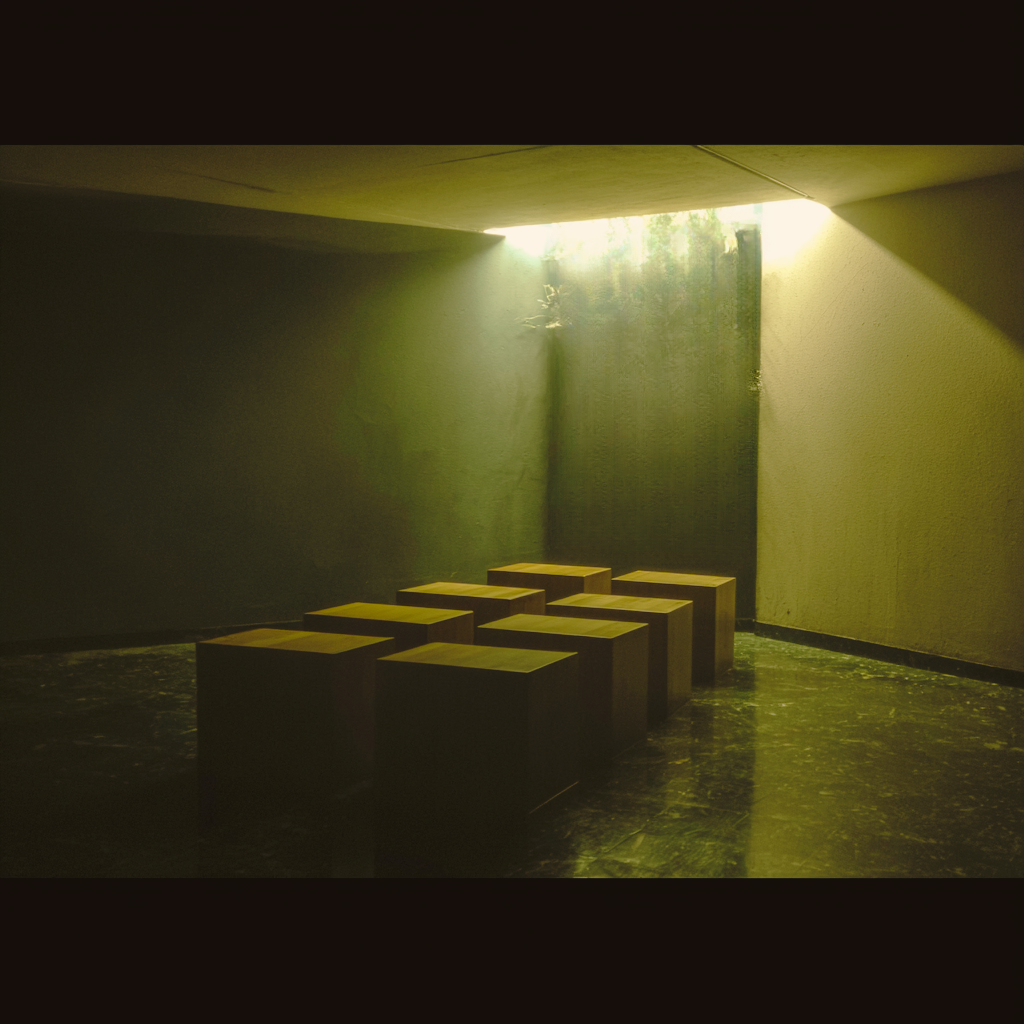
In the bustling corridors of international diplomacy, where decisions of war and peace hang in the balance, one might not expect to find a sanctuary for silence. And yet, tucked inside the United Nations headquarters in New York, there exists just such a space: the UN Meditation Room (also called The Room of Quiet). Its reinvention was the vision of a man often misunderstood—Dag Hammarskjöld, the UN’s second Secretary-General.
Why would a world leader, known for his razor-sharp intellect and relentless work ethic, dedicate time and resources to building a room for silence?
Because he understood something many still forget: real peace begins within.
A Room Without Dogma
Dag Hammarskjöld didn’t create the Meditation Room as a chapel, a temple, or a shrine. It’s a space stripped of religious symbols and doctrine, designed instead to honor stillness itself. The room holds a single block of iron ore—a nod to the raw material of the earth and to Hammarskjöld’s own Swedish heritage. A beam of light falls from the ceiling, illuminating the stone like a quiet heartbeat in the dark.
This was no accident. Hammarskjöld believed deeply in the interior life—what he often called the “inner land.” To him, meditation and reflection weren’t luxuries or soft distractions from diplomacy; they were essential tools of leadership.
A Vision Rooted in Spirituality and Service
Though famously private, Hammarskjöld left behind a posthumous diary, Markings, which reveals a man engaged in deep spiritual wrestling. His values—discipline, humility, self-examination—were drawn from a tapestry of Christianity, Buddhism, nature, secular philosophy, and a belief in the sacred dignity of all people.
The Meditation Room was an outward expression of that inward journey. It was Dag’s way of offering something enduring to the world—a space not for speeches or negotiations, but for listening.
Not to others.
To oneself.
Why It Still Matters
In today’s loud, hyperactive world, the idea of sitting still can feel almost radical. But Hammarskjöld knew that reflection was not retreat. It was how one returned to service with clarity, empathy, and courage. The UN Meditation Room remains one of his quietest legacies—and one of his most powerful.
Leaders come and go. Conflicts flare and fade. But the still point remains.
To see photos of the space before Dag’s changes, click here and here.
To see a photo of the room after Dag’s changes, click here.

Explore more:
- 5 Surprising Things You Didn’t Know About Dag Hammarskjöld
- Decoding the Unicorn: Why Dag Hammarskjöld?
- The Compass Within: How Dag Hammarskjöld Stayed True to His Moral Code
Stay tuned for more.
New to Dag’s life and legacy? Start here.