When Leadership is About Control, Not Competence
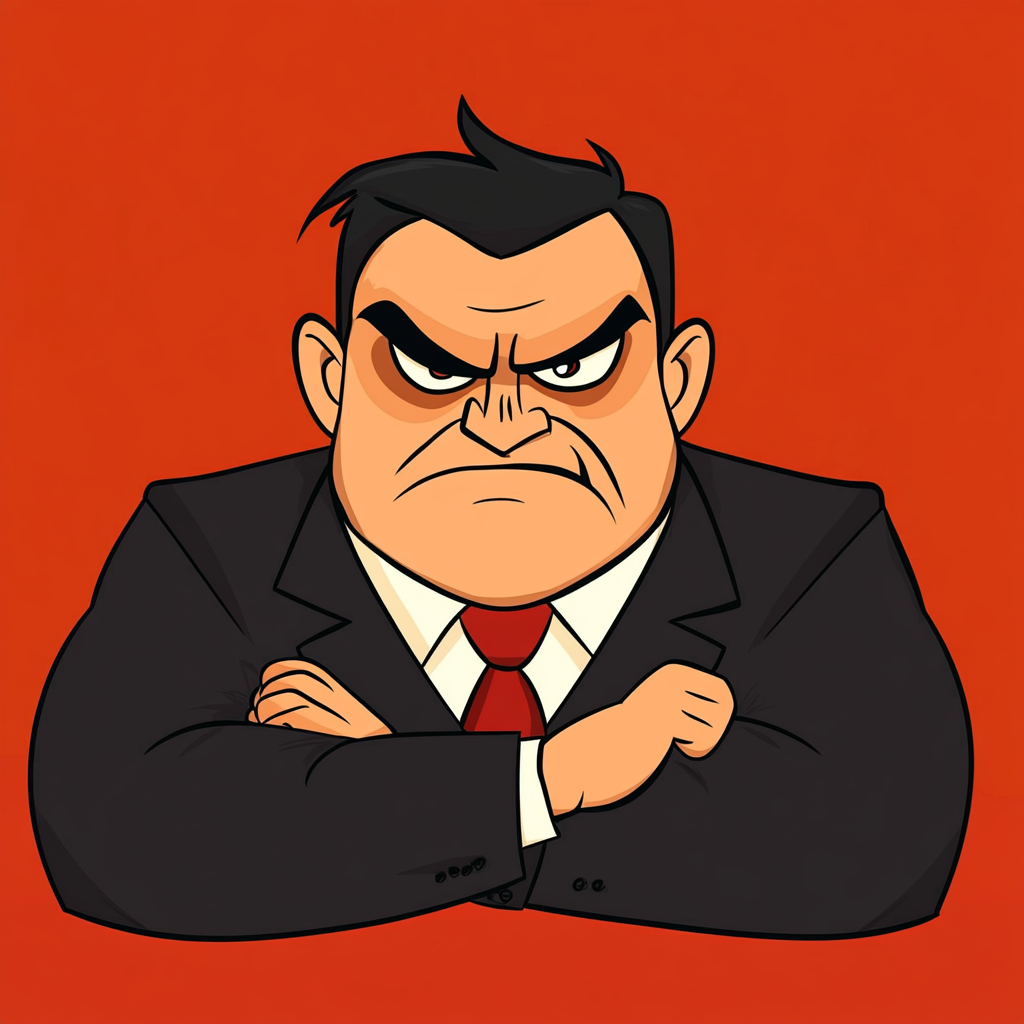
Most people have had a bad boss (or two or five or ten), and one that’s universally despised is The Power-Hungry Tyrant—the one who craves control above all else.
This isn’t just a leader with high standards or a strong commitment to quality control. No, this is the kind of boss who:
- Micromanages every decision, refusing to trust their team.
- Hoards authority, shutting down collaboration or dissent.
- Loves an echo chamber / groupthink environment.
- Uses fear and intimidation to keep employees in line.
- Takes credit for successes but shifts blame when things go wrong.
- Sees employees as tools, not people.
- Creates a culture of paranoia, where employees fear speaking up or making mistakes.
- Is obsessed with appearances, often focusing more on looking powerful than on real leadership.
Why Do Power-Hungry Bosses Act This Way?
The power-hungry boss isn’t really about leadership; it’s about insecurity masked as dominance.
- They believe control = strength, when in reality, it just breeds resentment and resistance.
- They fear being exposed as incompetent, so they overcompensate with rigid authority and excessive oversight.
- They crave status and validation, often at the expense of their team’s well-being and productivity.
- They struggle with delegation, convinced that only they can do things correctly.
- They seek blind loyalty over competence, rewarding those who flatter them while punishing independent thinkers.
The Fallout: How These Bosses Wreck Companies
- High turnover – People typically don’t leave companies, they leave bad bosses. Employees eventually escape to healthier workplaces.
- Low morale – A work environment filled with fear and mistrust kills enthusiasm and motivation.
- Lost innovation – When employees are too afraid to make mistakes, they also stop thinking creatively.
- A toxic culture – The organization revolves around the boss’s ego, leading to office politics, favoritism, and dysfunction.
- Decision-making paralysis – Since the tyrant insists on making every decision, processes slow to a crawl, creating bottlenecks.
How Dag Hammarskjöld Led Differently
Now let’s contrast this with a leader who had power but didn’t abuse it: Dag Hammarskjöld.
- He delegated instead of micromanaging. He trusted experts to do their jobs and encouraged independent thought.
- He took responsibility instead of shifting blame. When things went wrong, he owned it, demonstrating integrity.
- He prioritized service over ego. Leadership was about duty, not personal gain or public image.
- He valued diplomacy over domination. He built consensus and encouraged discussion instead of demanding obedience.
- He led with humility. He never used his position to inflate his self-importance but instead focused on problem-solving.
- He made tough decisions without theatrics. He didn’t need to shout or intimidate to be effective.
- He inspired loyalty through respect, not fear. People followed him because they believed in the mission, not because they feared him.
Takeaways: How to Spot—and Stop—Power-Hungry Leadership
If you’re dealing with a Power-Hungry Tyrant, remember:
✔ Good leaders empower others, not hoard control. Real leadership is about trust, not coercion.
✔ Ego-driven bosses create fragile organizations. When everything depends on one person’s whims, success is unsustainable.
✔ If you can’t change the system, change your job. Life is too short for toxic workplaces. Recognizing when it’s time to move on can be the best career decision you ever make.
✔ Push back with professionalism. If you must deal with a power-hungry boss, document everything and set boundaries where possible.
✔ Support healthy leadership models. If you’re in a position to lead, break the cycle by modeling better behavior.
Up Next in the Bad Bosses Series…
Stay tuned for next week’s installment, where we’ll explore another common leadership disaster: The Incompetent Manager Who Won’t Admit It 😒
I am the author of Decoding the Unicorn: A New Look at Dag Hammarskjöld. It’s available for purchase on Amazon by clicking here. I am also the author of Dag’s Magical Castle, a children’s book designed for introvert & HSP kids. You can find it on Amazon here: https://a.co/d/dfdUkSL.
Check out Decoding the Unicorn: The Podcast here.
For more on my leadership & development program for introverts, HSPs, and creatives, please visit QuietBraveBold.com.
Follow my author journey on Facebook here.
For additional updates or to subscribe to my email newsletter, click here.