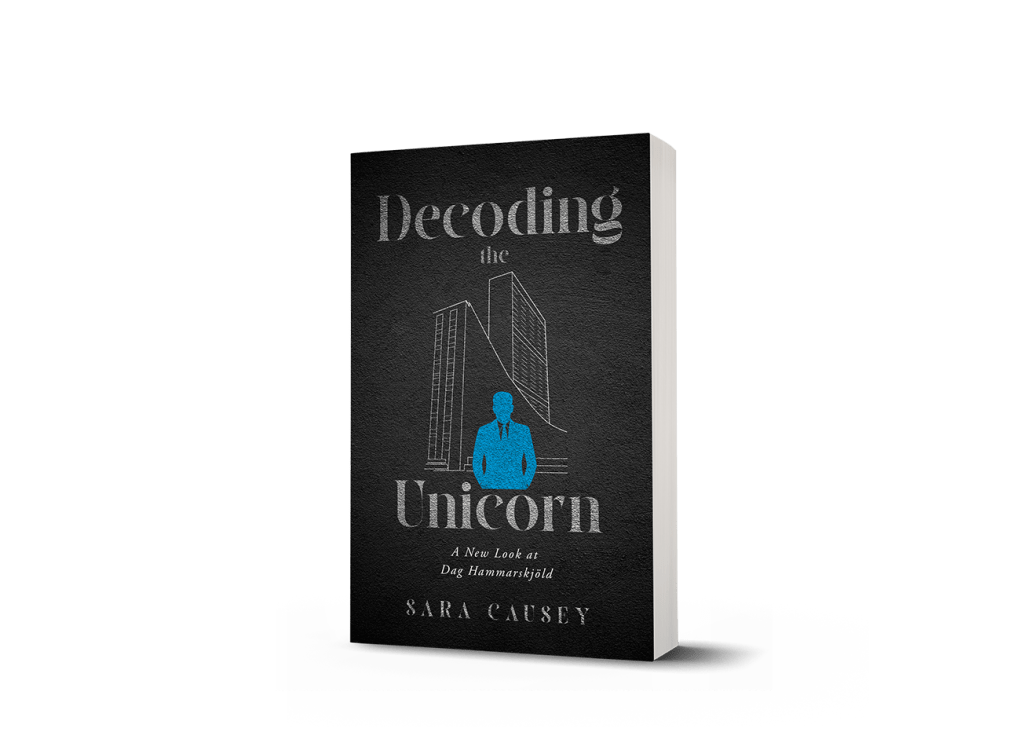
When I first started writing Decoding the Unicorn, I had no idea what I was doing. I just knew that I loved every second of it and, at that point, I really didn’t care if anyone else ever saw it. As with Lucy in The Ghost and Mrs. Muir, a big part of the fun was the process of co-creating it with Dag. If other people enjoyed it, well, that was icing on the cake.
As it moved through the editing and proofreading processes, I thought I knew who might vibe with it. I pictured introverts. Highly sensitive people. Folks who were tired of politics as usual and craving something deeper—maybe even something sacred. People who would see Dag Hammarskjöld’s name and, without recognizing it, they’d feel that click in their soul:
“Ah, finally. Someone who proves you can lead quietly, with integrity, without selling your soul to the chaos machine.”
But here’s what no one tells you about writing a book like this: The people you think are your audience aren’t always the ones who show up.
The Best Readers Were the Ones I Never Saw Coming
In my mind, this book would naturally appeal to introverts (especially INFJs), HSPs, contemplative leaders, and maybe some former diplomats or philosophy students.
And yes, some of those readers have found the book and loved it.
But the people who became the best evangelists for Decoding the Unicorn? They weren’t who I expected.
They were:
- People who stumbled onto the book by accident
- People who told me they thought they’d be bored, but wound up glued to its pages
- Readers who love biographies, but not necessarily history or politics—and certainly not anything related to international diplomacy
And, Writing a Book That’s a Soul Project Is Weird
This wasn’t just research and writing. Or fact-checking dates and editing footnotes. Or futzing around with Grammarly and the Chicago Manual of Style.
This was soul work.
And that meant tuning into Dag’s energy and being respectful of his spirit even while asking tough questions and exploring difficult issues. I was often just the vessel for a message that wanted to pop out. Artists frequently say that and people assume they are trying to be self-effacing, but’s actually true.
At the same time, it’s a sales quagmire. You can’t explain it in a marketing brief and you can’t necessarily develop avatars and “target audiences.”
So Who Is This Book Actually For?
Honestly? It’s for the people who find it.
Here’s what I picture:
Most people are walking through the woods and they like to stay on the beaten path. They might think an indie author will have a book full of typos and the prose will be banal or boring. And with biographies in particular, they may assume they’d be buying a doorstop book that only serves as a cure for insomnia. Decoding the Unicorn is a cozy cabin. We have chunky cable-knit blankets and hot cocoa and tea. You can come in, take your coat off, and relax by the hearth, maybe make s’mores. And if you do, you’ll hear one hell of an amazing story about the most remarkable man.
If that doesn’t appeal, it’s okay. You still have plenty of options on the road more traveled.
But If You’re Here, You’re Not Here By Accident
Writing this book wasn’t a marketing strategy; it was a collaboration across time and space.
If you’ve found this page, maybe it’s because some part of you is ready to meet the real Dag—not the cold, intellectual version so often misrepresented to the public, but the warm, imperfect, searching human behind the legend.
That’s what no one tells you about writing a book like this:
It changes you.
And sometimes, it changes the people who read it, too. 💙

Explore more:
- The Invisible Art: Dag Hammarskjöld’s Work as a Translator
- The Outdoors as Sanctuary: Dag Hammarskjöld’s Love of Nature
- 5 Surprising Things You Didn’t Know About Dag Hammarskjöld
Stay tuned for more.
New to Dag’s life and legacy? Start here.