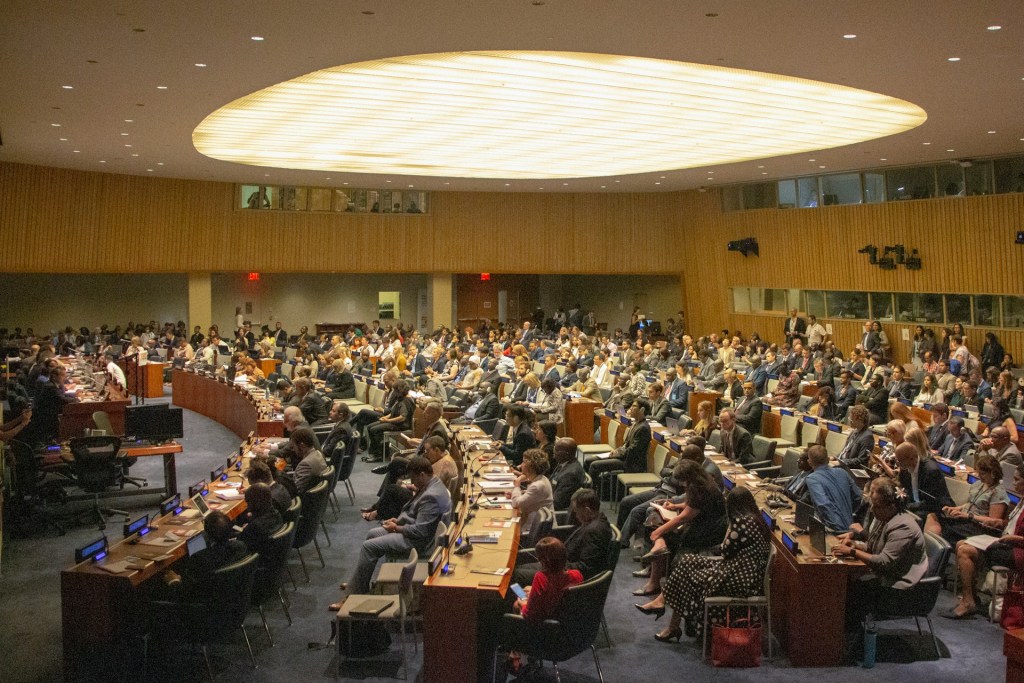
Dag Hammarskjöld’s Early UN Career: From Newcomer to Secretary-General
Before he became a global icon of diplomacy, Dag Hammarskjöld wasn’t well-known on the world stage. His appointment as Secretary-General of the United Nations in 1953 took many by surprise (including Dag himself!). But what led this quiet, introspective Swedish diplomat to take on one of the most challenging roles of the Cold War era? In this post, I’ll explore how Dag Hammarskjöld’s early days at the UN shaped his legacy as one of its most respected leaders.
The Newcomer at the United Nations: How Dag Hammarskjöld Stepped into Global Leadership
Dag Hammarskjöld was appointed as the second Secretary-General of the United Nations in 1953. At the time, he was relatively unknown on the international stage, and his nomination came as a shock to many political observers. Yet, it was precisely his unassuming demeanor and steadfast commitment to ethical leadership that set him apart.
When Dag first arrived at the UN headquarters in New York, he felt the weight of expectation from both world leaders and his own conscience. Despite his extensive background in public service and economic policy, the role of Secretary-General was daunting. (So much so that Dag’s predecessor, Trygve Lie, described it as “impossible.”) As Dag would later reflect, he felt a profound responsibility to uphold peace and justice amid global tensions.
Early Days as Secretary-General: Finding His Footing
Dag was thrust into the heart of Cold War diplomacy immediately. When Dag assumed the office, the Korean War was in its final months and the world remained on edge. Internally, Dag sought to understand the workings of the UN while building relationships with key figures. He met every staff member personally—some 4,000 people! Dag also insisted on impartiality, a stance that sometimes left both superpowers frustrated but established his reputation for integrity.
Though some were skeptical of his ability to handle the pressure, Dag’s calm, deliberate approach (combined with his clear investment in the organization) quickly earned him the respect of the UN staff. Bringing with him a European tradition, Dag implemented Kaffeeklatsches where employees could speak their minds freely without fear of reprisal.
Finding His Voice: The Quiet Strength of an Introverted Leader
Dag did not impose his will through force or go around the Secretariat stomping and shouting. Instead, his influence grew through thoughtful communication and a relentless commitment to doing what was right, regardless of the political fallout. He envisioned his role as both a leader and a servant, bridging the gap between the world’s most powerful nations and the emerging voices from newly independent countries.
Dag’s leadership style at the UN was rooted in consideration and contemplation. For years, he kept a diary (which would posthumously become the best-selling book Markings) and it shows a man dedicated to self-reflection and improvement.
The Legacy Begins: A Leader for the Global Community
Though his early days at the UN were marked by challenges and skepticism, Dag Hammarskjöld soon proved himself to be a steadfast advocate for peace. His work set the foundation for the UN’s modern role as a peacekeeping body and reshaped the Secretary-Generalship into a more proactive and morally driven position.

Curious about how Dag Hammarskjöld’s early career in Sweden shaped his approach to global leadership?
Discover more stories about his journey from academia to public service:
A Swedish Unicorn Arrives: Dag Hammarskjöld’s Early Life
Dag Hammarskjöld’s Early Career: The Path to Diplomacy
Leadership Lessons from Dag Hammarskjöld: The Art of High-Stakes Diplomacy
Stay tuned for more insights into Dag Hammarskjöld’s life, leadership, and legacy.
(Photo by Matthew TenBruggencate on Unsplash)