Leadership

Explore Dag Hammarskjöld’s quiet, powerful leadership style and what we can learn from it in modern times.

TV fearmongering

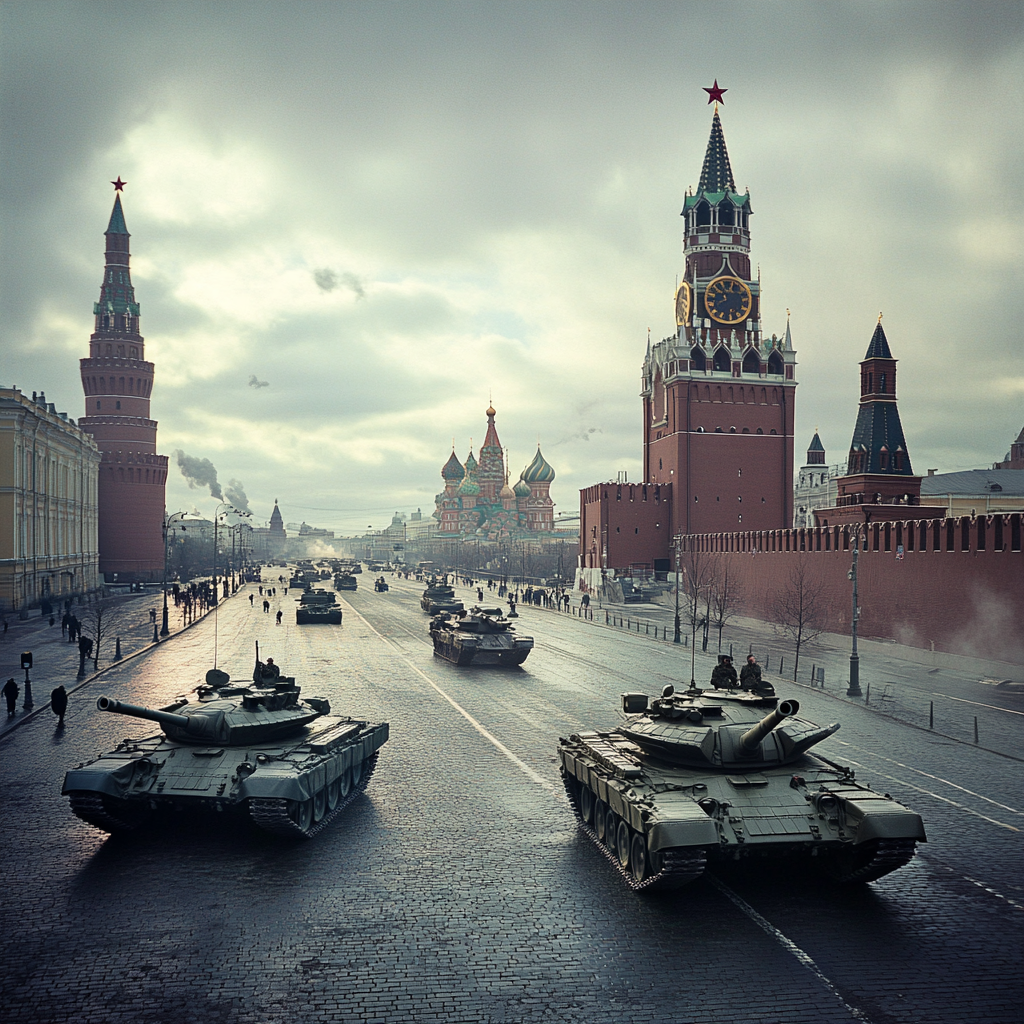
Why Dag Hammarskjöld Would Have Hated the 24-Hour News Cycle

Non-Stop Fear! If there’s one thing Dag Hammarskjöld might have loathed about today’s world, it’s the endless shriek of the 24-hour news cycle. Constant breaking news. Alerts pinging across every screen. Outrage headlines, “hot takes,” and the constant performance of public personas. For a man who believed deeply in reflection, restraint, and service, this would […]

Why Dag Hammarskjöld Would Have Hated the 24-Hour News Cycle Read More »

Servant Leadership

Leadership as Service

Why Dag Hammarskjöld Believed Power Meant Responsibility Leadership isn’t about power plays, personal glory, or dominating boardrooms with loud volume and bravado. At least, it wasn’t for Dag Hammarskjöld. As the second Secretary-General of the United Nations, Hammarskjöld redefined what it meant to hold power. He didn’t wield authority for its own sake or chase

Leadership as Service Read More »

What CEOs can learn from Dag Hammarskjöld

What CEOs Can Learn from Dag Hammarskjöld

What CEOs Can Learn from a UN Secretary-General: Dag Hammarskjöld’s Leadership Lessons for Business When most CEOs think about leadership models, they probably don’t imagine a Swedish diplomat walking the marble corridors of the United Nations, quietly rewriting the playbook on global governance. (In the 1950s!) But Dag Hammarskjöld, the second Secretary-General of the UN,

What CEOs Can Learn from Dag Hammarskjöld Read More »

Quiet contemplation in leadership

What Modern Executives Can Learn from Markings

Leadership Through Reflection: What Modern Executives Can Learn from Markings What if the best leadership advice wasn’t found in corporate manuals or TED Talks but in one’s own gentle reflections? Dag Hammarskjöld, the second Secretary-General of the United Nations, is often remembered for his diplomacy, courage, and tragic death in service to peace. But for

What Modern Executives Can Learn from Markings Read More »

Preventive Diplomacy

Preventive Diplomacy: Dag Hammarskjöld’s Vision for Avoiding War

What if the true power of diplomacy wasn’t in resolving conflict—but in making sure it never happened at all? When Dag Hammarskjöld became Secretary-General of the United Nations in 1953, the Cold War had divided the world into ideological camps armed with suspicion, rhetoric, and weapons. Many diplomats of the time worked like firefighters, rushing

Preventive Diplomacy: Dag Hammarskjöld’s Vision for Avoiding War Read More »

Quiet introvert leadership

Quiet Strength: Why Introverted Leaders Like Dag Hammarskjöld Matter

Introverted Leaders: Why Dag Hammarskjöld’s Quiet Strength Still Matters What happens when the loudest voice in the room isn’t the wisest? In a world that often equates leadership with “charisma,” volume, and showmanship, it’s easy to overlook the power of quiet leadership. But Dag Hammarskjöld, the second Secretary-General of the United Nations, stood as proof

Quiet Strength: Why Introverted Leaders Like Dag Hammarskjöld Matter Read More »

Dag Hammarskjöld’s Leadership Philosophy: Ethical Examples for Modern Leaders

Dag Hammarskjöld’s Leadership Philosophy: Ethical Examples for Modern Leaders

Dag Hammarskjöld’s Leadership Philosophy: Ethical Examples for Modern Leaders What does it mean to lead with integrity in a world that often rewards noise over substance? For Dag Hammarskjöld, leadership was not about winning popularity contests or commanding attention—it was about quiet, steady service to a higher ideal. Leadership Rooted in Ethics, Not Ego Dag

Dag Hammarskjöld’s Leadership Philosophy: Ethical Examples for Modern Leaders Read More »

Leadership Lessons from Dag Hammarskjöld: The Art of High-Stakes Diplomacy

In today’s world—whether in politics, corporate boardrooms, or international affairs—diplomacy is an essential skill. Few leaders have exemplified the art of negotiation better than Dag Hammarskjöld, the second Secretary-General of the United Nations. His approach wasn’t about power plays or coercion; it was about strategy, patience, and an unshakable moral compass. Simply Dag, my upcoming

Leadership Lessons from Dag Hammarskjöld: The Art of High-Stakes Diplomacy Read More »